
Vratić – Tanacetum vulgare (Asteraceae)
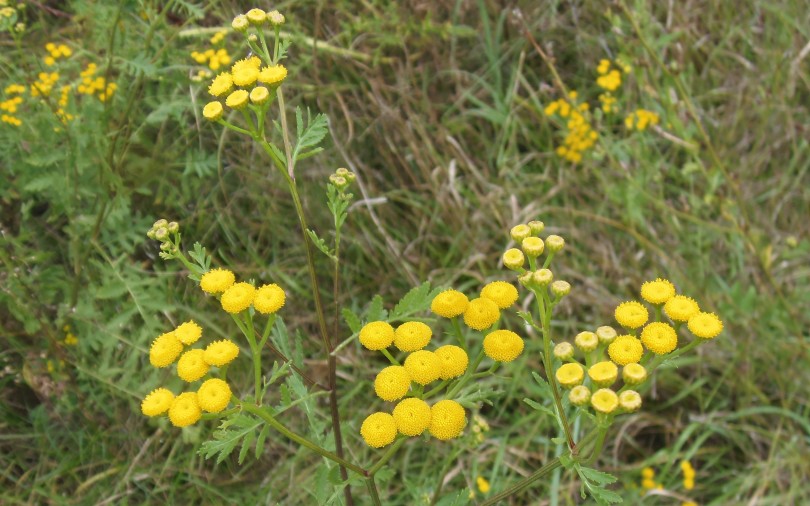
Vratić – Tanacetum vulgare (Asteraceae)
BILJNI PREPARATI Vratića – Tanacetum vulgare (Asteraceae)
TINKTURA, VRATIĆ HSS, hidroetanolni tečni ekstrakt sušene biljke, DER 1:5,
MATIČNA TINKTURA, VRATIĆ TM, hidroetanolni tečni ekstrakt sveže biljke, DER 1:2 (HAB 2017).
Tinctura Tanaceti, Extractum Tanaceti alcoholicum
Tanaceti recentis extractum ethanolicum liquidum,
namenjeni ublažavanju dermatoloških tegoba.
PREPARATI OD VRATIĆA:
Delovi biljke koji se koriste prema evropskoj regulativi:
herba (Tanaceti herbae).
DEFINITION
Tanacetum vulgare (Asteraceae) mother tincture complies with the requirements of the general technique for the preparation of mother tinctures (see Homoeopathic Preparations 1038 and French Pharmacopoeia Authority Supplement). The mother tincture is prepared with ethanol (65 per cent V/V), using the dried fruit of Tanacetum vulgare L. (Asteraceae).
BILJNI PREPARATI VRATIĆA:
TINKTURA, VRATIĆ HSS, hidroetanolni tečni ekstrakt sušenog ploda biljke, DER 1:5,
MATIČNA TINKTURA, VRATIĆ TM, hidroetanolni tečni ekstrakt sveže biljke, DER 1:2 (HAB 2017)
Tinctura Tanaceti, Extractum Tanaceti alcoholicum
Tanaceti recentis extractum ethanolicum liquidum,
namenjeni ublažavanju dermatoloških tegoba.
ATC:
U skladu sa:
Based on Article 16d(1), Article 16f and Article 16h of Directive 2001/83/EC as amended (traditional use), DIRECTIVE 2004/24/EC OF THE EUROPEAN PARLIAMENT AND OF THE COUNCIL of 31 March 2004.
Eu. Ph. 07/2014 monografijom:.07/2014:1304 Ph.Eur.8.2 – 1
EMA/HMPC/212897/2008, Committee on Herbal Medicinal Products (HMPC) od 2003.:
Assessment report on
Fr. Ph. 2003 ANSM (French Pharmacopoeia 2003): Coriandrum sativum ad praeparationes homoeopathicas
a) Tanacetum vulgare (Asteraceae), herba ( Tanaceti herba – Tansy herb),
Biljni preparati u tečnom obliku (nerazblaženi ili razblaženi) za oralnu i lokalnu upotrebu.
Sastav:
a) tečni ekstrakt (DER 1:2), ekstrakcioni rastvarač etanol 65% (v/v),
Tanacetum vulgare (Asteraceae), herba (Tanaceti herba), sadrži 64 istraženih biohemijskih jedinjenja koja ispoljavaju 351 dejstvo (*podaci ažurirani avgusta 2018.).
Sadržaj:
a) minimalno 0,
b) u većoj koncentraciji sadrži: DAVANONE, EO, ISOTHUJONE, BETA-THUJONE, GERMACRENE-D, CAMPHOR, 1,8-CINEOLE, TANACETOL-B, SABINENE, BETA-THUJYL-ALCOHOL, ALPHA-TERPINENE, PHYTOSTEROLS, APIGENIN, PIPERITONE, GAMMA-TERPINENE, TANNINS, CHLOROGENIC-ACID, PARTHENOLIDE, CARYOPHYLLENE,
c) više od svih biljaka sadrži DAVANONE, ISOTHUJONE, TANACETOL-B,
d) sadržaj vode
Indikacije:
Biljni preparati su namenjeni poboljšanju opšteg stanja organizma kroz razna naučno dokazana dejstva.
Upotreba kod gastrointestinalnih i kožnih tegoba.
Dr. Džems Djuk (Dr. James Duke) u Handbook of Medicinal Herbs, 2nd Ed. (2002). CRC Press, navodi sledeće:
– ima jako dejstvo kod: UsesTansy has no role in modern herbal medicine. Although it is toxic, tansy has been used as a vermifuge, emmenagogue, and antispasmodic.
– delotvoran kod: .
– u narodnoj medicini kod: Ethnomedical use For many years, tansy has been used as a medicinal herb despite its toxicity. 19th-century Irish folklore suggests bathing in a solution of tansy and salt as a cure for joint pain. A bitter tea made with tansy flowers has been used for centuries as an anthelmintic to treat parasitic worm infestations, and tansy cakes were traditionally eaten during Lent because it was believed that eating fish during Lent caused intestinal worms. Various Tanacetum species are used ethnomedically to treat migraine, neuralgia and rheumatism and as anthelmintics. Traditionally, tansy was often used for its emmenagogue effects to bring on menstruation or end an unwanted pregnancy, and pregnant women are advised to not use this herb. Research published in 2011 identified 3,5-dicaffeoylquinic acid (3,5-DCQA) and axillarin in tansy as antiviral compounds that are active against herpes simplex virus
– spoljašnja primena kod:
– upotrebljava se kao:
Doziranje i način primene:
do 2 mL (80 kapi) podeljeno u 2 do 4 doze.
Biljni preparat VRATIĆ HSS i TM:
pojedinačna doza: 0,5-1 mL,
maksimalna preporučena dnevna doza (MPDD): 2 mL.
Lokalna primena, DERMALNA. NIJE ZA ORALNU UPOTREBU.
Upotreba na koži: aplicirati na obolelo mesto u tankom sloju ili obliku impregniranog zavoja.
Napraviti pauzu posle 4 nedelje neprekidne oralne upotrebe, jednu nedelju.
Po preporukama, preparat postiže najbolje efekte pri upotrebi od 8 do 12 nedelja, duža upotreba je bezbedna uz pauze.
Kontraindikacije:
preosetljivost na aktivne supstance,
preosetljivost na biljke porodice (genus Tanacetum, family Asteraceae).
UPOZORENJE: Obični vratić sadrži i neke otrovne materije, kojih ima još više kod srodnih i često sličnih vrsta drugih vratića. Zato se ipak preporučuje više za spoljašnju primenu, a kad se uzima kao čaj, treba se pridržavati navedenih količina. Ulje sadrži toksični keton beta tujon. Simptomi trovanja su brz i slab puls, težak gastritis, jaki spazmi i konvulzije. Iako se većina trovanja dogodila kod unosa ulja, moguće je i trovanje prahom i infuzom, pa se upotreba ne preporučuje. Ova biljka sadrži i seskviterpene koji mogu da izazovu alergijsku reakciju manifestovanu kao kontaktni dermatitis.
Istraživanja su pokazala antispastičko, koleteričko, antihelmintičko, antifungalno, antihiperholesteremijsko i hipoglikemijsko delovanje. Jedno dokumentovano kliničko istraživanje pokazalo je poboljšanje kod obolelih od bolesti žuči i jetre.
PRECAUTIONS
Specific: Not for internal use. Not for use in pregnancy except under the supervision of a qualified healthcare practitioner.
General: We recommend that you consult with a qualified healthcare practitioner before using herbal products, particularly if you are pregnant, nursing, or on any medications.
Toxicity
Many tansy species contain a volatile oil which can cause contact dermatitis in sensitive individuals. If taken internally, toxic metabolites are produced as the oil is broken down in the liver and digestive tract. It is highly toxic to internal parasites, and for centuries tansy tea has been prescribed by herbalists to expel worms. Tansy is an effective insecticide and is highly toxic to arthropods. Because it contains thujone, the U.S. FDA limits the use of tansy to alcoholic beverages, and the final product must be thujone-free. Tanacetum annuum is often confused with common tansy (Tanacetum vulgare) but the former produces an essential oil that is completely different chemically as it contains no thujone and high amounts of chamazulene making the oil dark blue in color, giving rise to it common name of Blue Tansy Oil.
The active components of the volatile oil include 1,8-cineole, trans-thujone, camphor and myrtenol, with the quantities and proportions of each varying seasonally and from plant to plant.
1,8-Cineole is a toxin believed to defend the plant leaves against attacks by herbivores.
Čuvanje: na tamnom, suvom i hladnom mestu do 20˚C, van domašaja dece i izlaganja EM zračenju, u dobro zatvorenoj originalnoj ambalaži.
Rok upotrebe: 5 godina, posle prvog otvaranja 6 meseci.
Pakovanje: 50 mL i 100 mL (1 3/4 fl oz i 3 1/2 fl oz), standarne farmaceutske braon bočice; 250 mL, 500 mL, 1000 mL i 5000 mL na zahtev.
Nutritivne informacije (NIJE PREMENLJIVO-NIJE ZA ORALNU UPOTREBU):
VRATIĆ HSS i TM:
energetska vrednost u 100 mL: 1500 kJ/ 360 kcal,
u .maksimalnoj preporučenoj dnevnoj dozi (MPDD) 2 mL: 30 kJ/ 7,2 kcal,
suve materije (DR) više od 0,9% (Fr. Ph.).
Bez konzervanasa, proteina, masti i ugljenih hidrata.
VRATIĆ HSS i TM su rukom rađeni proizvodi.
TINKTURA, VRATIĆ HSS, hidroetanolni tečni ekstrakt suvog nadzemnog dela biljke, DER 1:5,
50 mL – 600,00 RSD (5 evra); 100 mL – 1200,00 RSD (10 evra);
MATIĆNA TINKTURA, VRATIĆ TM, hidroetanolni tečni ekstrakt svežeg nadzemnog dela biljke, DER 1:3,
50 mL – 600,00 RSD (5 evra); 100 mL – 1200,00 RSD (10 evra).
http://www.biljni-preparati.com/preparati/vratic-tanacetum-vulgare-asteraceae/
podaci ažurirani avgusta 2018.
Activity: Pesticide, Antispasmodic, Antibacterial, insectifuge, Antiinflammatory, Antiseptic, Allergenic, Fungicide, Aldose-Reductase-Inhibitor, FLavor, Cancer-Preventive, Antifeedant, Antiviral, Antitumor, Perfumery, Sedative, Antioxidant, Irritant, Analgesic, Antiproliferant, Activity, Candidicide, Antimutagenic, Antiulcer, Antiproliferant, Choleretic, Antistaphylococcic, Cytotoxic, Myorelaxant, Antiherpetic, Antinitrosaminic, Ornithine-Decarboxylase-Inhibitor, Hepatoprotective, Lipoxygenase-Inhibitor, AntiHIV, COX-2-Inhibitor, Allelochemic, Antiaggregant, Antihistaminic, Expectorant, Antitumor (Skin), Activity, CNS-Stimulant, Antiescherichic, Cyclooxygenase-Inhibitor, Apoptotic, Transdermal, Antiperoxidant, TNF-alpha-Inhibitor, Estrogenic, Allelopathic, Acaricide, (-)-Inotropic,Antithyroid, Antileukotriene, Nematicide, Antiaging, Antiacne, Antitumor-Promoter, Spasmogenic, Diuretic, Carcinogenic,
Reference:
Blaschek, W., Hansel, R., Keller, K., Reichling, J., Rimpler, H., and Schneider, G. eds. 1998. Hager’s Handbuch der Pharmazeutischen Praxis, Auflage Band 2 (A-K), 909 pp., (L-Z), 858 pp. Springer-Verlag, Berlin.
Tucker, A. O. and Debaggio, T. 2000. The Big Book of Herbs. Interweave Press, Inc. Loveland, CO. 688 pp.
Jeffery B. Harborne and H. Baxter, eds. 1983. Phytochemical Dictionary. A Handbook of Bioactive Compounds from Plants. Taylor & Frost, London. 791 pp.
Okamura, K., Iwakami, S., Matsunaga, T. 1992. Biological Activity of Monoterpenes from Trees. Toyama-Ken Yakuji Kenkyusho Nenpo, (20): 95-101.
Aloe Research Council – Duke writeup of non-peer reviewd book by Coats and draft by Henry
Stitt, P. A. Why George Should Eat Broccoli. Dougherty Co, Milwaukee, WI, 1990, 399 pp.
Lydon, J. & Duke, S., The potential of pesticides from plants, pp. 1-41 in Craker, L. & Simon, J., eds, Herbs, Spices & Medicinal Plants: Recent Advances in Botany, Horticulture, & Pharmacology, v. 4, Oryx Press, Phoenix, 1989, 267pp.
Vlietinck, A.J. and Dommisse, R.A. eds. 1985. Advances in Medicinal Plant Research. Wiss. Verlag. Stuttgart.
Huang, M-T., and Ferraro, T. Phenolic Compounds in Food and Cancer Prevention. Phenolic Compounds in Food and Their Effects on Health, Ch.2 p.21.
Phenolic Compounds in Food and Their Effects on Health. Antioxidants & Cancer Prevention. Huang, M.T., Ho, C.T. and Lee, C.Y. eds. 1992. ACS Symposium Series 507.ACS, Washington 402 pp.
Economic & Medicinal Plant Research, 6: 189.
Huang, K. C. 1993. The Pharmacology of Chinese Herbs. CRC Press, Boca Raton, FL 388 pp.
Matsukawa, Y., et al. The Effect of Quercetin and Other Flavonoids on Cell Cycle Progresssion and Growth of Human Gastric Cancer Cells. Planta Medica, 56(6): 677, 1990.
Newall, C. A., Anderson, L. A. and Phillipson, J. D. 1996. Herbal Medicine – A Guide for Health-care Professionals. The Pharmaceutical Press, London. 296pp.
Advance in Chinese Medicinal Materials Research. 1985. Eds. H. M. Chang, H. W. Yeung, W. -W. Tso and A. Koo. World Scientific Publishing Co., Philadelphia Pa., page 210.
Oszmianski, J. and Lee, C.Y. 1990. Inhibitory Effect of Phenolics on Carotene Bleaching in Vegetables. J. Agric. Food Chem. 38: 688-690.
Michael Castleman 1991. The Healing Herbs. Rodale Press, Emmaus, PA 436 pp.
List, P.H. and Horhammer, L., Hager’s Handbuch der Pharmazeutischen Praxis, Vols. 2-6, Springer-Verlag, Berlin, 1969-1979.
Planta Medica, 57: A54, 1991.
Hansel, R., Keller, K., Rimpler, H., and Schneider, G. eds. 1992. Hager’s Handbuch der Pharmazeutischen Praxis, Drogen (A-D), 1209 pp., 1993 (E-O), 970 pp., 1994 (P-Z), 1196 pp. Springer-Verlag, Berlin.
Jim Duke’s personal files.
Pizzorno, J.E. and Murray, M.T. 1985. A Textbook of Natural Medicine. John Bastyr College Publications, Seattle, Washington (Looseleaf).
Shoyakugaku Zasshi, 44: 183.
Nigg, H.N. and Seigler, D.S., eds. 1992. Phytochemical Resources for Medicine and Agriculture. Plenum Press, New York. 445 pp.
Tanacetum vulgare
Natural History. Tansy
General. Abnormal lassitude. Nervous and tired feeling. „Half dead, half alive feeling“ all over. Of use in chorea and reflex spasms (worms). Said to be a specific against effects of poison ivy.
Head. Heavy, dull, confused. Headache with least exertion.
Mind. Irritable, sensitive to noise. Mental fatigue, nausea and vertigo, worse in a closed room.
Ears. Roaring and ringing; voice sounds strange; EARS SEEM TO CLOSE UP SUDDENLY.
Abdomen. Pain in bowels; relieved by stool. Desire for stool immediately after eating. DYSENTERY.
Female. Dysmenorrhoea, with bearing-down pains, tenderness, drawing in groins. Menses suppressed; later, profuse.
Respiratory. Hurried, labored, stertorous respiration. Frothy mucus obstructs the air-passages.
Relationship. Compare: CIMICIF.; CINA; ABSINTH. NUX follows well.
Dose. Tincture, to third potency.
TEINTURE MÈRE TANACETUM VULGARE
Indications:
La solution gouttes buvables Tanacetum vulgare des laboratoires HA est un médicament homéopathique traditionnellement utilisé dans le traitement des spasmes, des chorées, des lassitudes anormales et des nervosités exacerbées.
Règles sur la posologie:
Dans l’ensemble des cas, les recommandations oscillent entre 50 et 150 gouttes par jour selon les personnes et la gravité des troubles.
Étant donné qu’il s’agit ici de doses pondérales, il est évident qu’une règle de proportionnalité doit être appliquée en fonction du poids de la personne.
En pratique, il convient de commencer avec des dosages relativement faibles afin de na pas déclencher des débâcles éliminatoires difficiles à gérer, et de monter ensuite progressivement le nombre de gouttes jusqu’à obtention de résultats tangibles et satisfaisants.
En outre, il est d’usage de répartir les posologies journalières sur 3 prises.
Soit une formulation:
0,75 x le poids = Y (Y étant le nombre de gouttes à prendre par jour).
Y / 3 = Z (Z étant la répartition des prises journalière 3 fois par jour).
Posologie usuelle:
Suivant le contexte clinique ou la prescription médicale.
Attention: ce médicament contient de l’éthanol (alcool). Son utilisation est dangereuse chez les sujets alcooliques et doit être prise en compte chez les femmes enceintes ou allaitant, les enfants et les groupes à haut risque tels que les insuffisants hépatiques ou les épileptiques.
Mode d’administration:
*Voie orale.Voie cutanée (voie dermale), Timbre transdermique,
*Prendre les gouttes dans un peu d’eau, de préférence à distance des repas.
*À garder quelques instants dans la bouche avant d’avaler.
Contre-indications:
*Allergie à l’un des constituants de ce médicament.
*Enfant sauf avis médical contraire.
*Demander un avis médical pour le femme enceinte ou allaitante ainsi que pour les patients souffrant d’une maladie hépatique ou d’épilepsie.
Pour de plus amples informations sur les contre-indications, les mises en garde, les précautions d’emploi, les interactions médicamenteuses, les effets indésirables, vous devez consulter votre médecin ou contacter les pharmaciens du site http://www.biljni-preparati.com/preparati/
Composition:
Tanacetum vulgare TM, éthanol, eau purifiée.
Conditionnement: Flacon de 50 mL, 100 mL.
Conservation: Un léger trouble peut apparaître, sans incidence sur la qualité du médicament.
Si vos symptômes persistent et/ou si vous ressentez des effets indésirables vous devez consulter votre médecin.
Tanacetum vulgare (Asteraceae) – Tansy
It can be used while fasting to expel worms, especially round and thread. It is also valuable for treating hysteria and kidney weakness. It has also been used to promote menstruation. Tanacetum vulgare (Asteraceae) has shown to be helpful in treating gout and epilepsy. It has been thought to relieve the pain of sprains, bruises, blemishes, scabies, and pain of rheumatic joints. Tanacetum vulgare (Asteraceae) is very effective for relieving the pain and inflammation associated with arthritis. Helpful for leg pain, as well.
This common herb is the one to use for Osteoarthritis, Bursitis and Rheumatoid and common arthritis, with results in 10-15 days of regular use, and the improvement is remarkable. Also used for treating Degenerative Joint and neck disease
A backache is the leading cause of debility in persons under 45 years old. Eighty percent of the population suffers from it at some point in their lives. In spite of this, most people are unaware of the things they do that contribute to the problem. Tanacetum vulgare (Asteraceae) extract is very effective in resolving the symptoms associated with backaches. It has a potent anti-inflammatory and analgesic action. It is also beneficial for treating the pain and inflammation of a stiff neck.
Tanacetum vulgare (Asteraceae) has been found to be beneficial in the treatment of fibromyalgia, a common condition in which people suffer from a great deal of pain in from several specific points on the body.
Many people have perineural cysts with no symptoms at all, in fact, people live with this condition without being aware of their existence. These cysts located in the subarachnoid area of the spinal column and can create pain, weakness and abnormal sensations. Known as Tarlov cysts or Sacral Nerve Root Cysts. Tanacetum vulgare (Asteraceae) extract can be used effectively for this affliction.
Can be used externally for skin problems. It may also be used for hysteria, jaundice, dropsy (edema), kidney weakness, flatulence and stomach spasms, gout, epilepsy, and low fever. It has also been used as in the treatment of fleas, lice, and scabies. As an external wash, it is helpful for blemishes, bruises, sprains, and as a compress for rheumatic joints.
Ingredients: Tanacetum vulgare (Asteraceae), Structured Water, 96% Alcohol.
Non-Alcohol: Tanacetum vulgare (Asteraceae), Structured Water, Vegetable Glycerin.
All of our ingredients are Certified Organic, Kosher, or Responsibly Wildcrafted. No genetically modified organisms (GMO’s) are involved. All other products that are distributed by us meet our high-quality standards.
Instructions: Use 5-20 drops in juice, water, under the tongue or as desired. May be taken 3 times daily. Shake well. Store in cool dark place. Keep out of reach of children.
Contraindications: Use tansy only under medical supervision. Tanacetum vulgare (Asteraceae) is a very strong herb, please read through the following information carefully and thoroughly: The herbalists who’ve I’ve read generally agree that an extract, in proper dosage, of Tansy may be used safely but with caution, it should always be started with the lowest dosage and gradually work up to the appropriate dosage to test the herb’s strength, dosages and duration should not be exceeded. Overdose can be fatal. Do not use while pregnant. Can cause kidney damage if use is prolonged.
Disclaimer: The information presented herein by Herbal Alchemy is intended for educational purposes only. These statements have not been evaluated by the FDA and are not intended to diagnose, cure, treat or prevent disease. Individual results may vary, and before using any supplements, it is always advisable to consult with your own healthcare provider.
Tansy Herb – Side Effects and Health Benefits
Botanical Name: Tanacetum vulgare.
Other Common Names: Buttons, wild tansy, gold leaf tansy, ginger plant, bitter buttons, hineheel, scented fern, stinking willie.
The common name, tansy, is likely derived from Greek words meaning “immortal”, which may refer to the long-lasting flowers or its traditional use in preserving dead bodies.
Habitat: Although the plant is native to temperate regions of Europe and Asia, it has been introduced throughout the world and grows wild in North America.
This hardy, sun-loving plant is resistant to cold and frost and commonly grows in open areas close to water, such as roadsides and ditches.
Description: Tanacetum vulgare is a member of the aster family, producing flat, bright yellow, button-like flowers in late summer.
The plant’s alternating leaves are divided into paired serrated segments, giving them a fernlike appearance. Plants reach a height of up to 3 feet.
Tansy can spread quickly as it is a self-sowing perennial that is easily propagated by dividing the plant. The flowers are strongly scented with an aroma that has been compared with camphor.
This plant can be highly toxic and is rarely used by modern herbalists.
Plant Parts Used: Leaves, used fresh or dried, and flowers.
Therapeutic Uses, Benefits and Claims of Tansy
Tansy (Tanacetum vulgare) – Illustration ©The Herbal Resource
Historical records also indicate that tansy has been used as a natural face wash to lighten the skin.
Historically, the most common medicinal use of tansy was as an abortifacient. It naturally stimulates blood flow to the pelvis and uterus (emmenagogue) and was used to bring on menstruation or abort an unwanted pregnancy.
Tanacetum vulgare is an herbal remedy for treating worms as it contains a volatile oil with the active ingredients thujone, camphor and myrtenol, which are toxic to internal parasites.
In the past, the herb was frequently used to treat worms in children and it was also added to coffins to slow the deterioration of the deceased by repelling worms.
Today, it is most commonly used as a natural insect repellent and companion plant in vegetable gardens. However, the herb’s repellent nature has long been recognized.
Tansy has been used externally as an herbal remedy for lice, fleas and scabies. In the Middle Ages, it was strewn across floors, hung from rafters and slipped under bed sheets to discourage pests.
It contains the compound parthenolide, which is also found in feverfew and is thought to help in the prevention of migraines.
When applied as a poultice, the herb is a natural treatment for skin infections and can be used to relieve sprains and reduce swelling.
Other medicinal uses of tansy include the treatment of colic, gout and plague.
Dosage and Administration
Tansy contains a volatile oil with the active ingredient thujone, which can be toxic in the wrong dosage.
The percentage of thujone in the oil is unpredictable as it varies greatly between plants.
This variability seems to be related to genetic rather than environmental factors, which makes it very challenging to determine dosage. Each plant would need to be tested for thujone concentrations.
A tea infusion can be prepared by pouring one cup of boiling water over 1 teaspoonful of the dried tansy. Leave to infuse for 10 – 15 minutes and drink twice daily. The tea is strong and bitter in taste.
The herb may also be found as a tincture; 1-2 ml taken three times daily.
The fresh green leaves can be pounded and applied as a poultice.
Tansy – Herbal Uses and Benefits
Side Effects and Possible Interactions of Tansy
Tansy should only be used in the hands of an expert as an incorrect dosage can be highly toxic, causing hallucinations, spasms, convulsions, and even death. In most cases, alternative herbal remedies exist.
Due to its emmenagogue properties, it should not be taken while pregnant as it can lead to miscarriage.
THORDUR STURLUSON, ADMINISTRATOR
Author , The Herbal Resource
B.S in Biology majoring in Botany, masters in Zoology. Scuba diver and researcher with an interest in nature conservation and animal/plant protection.
Web https://www.herbal-supplement-resource.com
Email herb@herbal-supplement-resource.com
Call +4527666866
https://www.herbal-supplement-resource.com/tansy-herbs.html
Tansy
Tanacetum vulgare
Common names Arbor Vitae, Buttons, Hineheel, Scented Fern, Stinking Willie, Tansy
Tansy (botanical name, Tanacetum vulgare L.) is a member of the family Asteraceae and it has traditionally been used in folk medicine for centuries. Tansy is a potently aromatic herb that grows up to a height of three feet and bears vivid yellow blooms. This species is indigenous to Europe, but over the years, has been naturalized as well as cultivated extensively in the United States. The dehydrated leaves as well as the flowering tops of this herb have commonly been used as a tea, in the form of anthelmintic (expelling worms), stimulant, tonic and emmenagogue (a substance that promotes menstrual flow – usually a euphemism for encouraging abortion). In addition, tansy also makes an excellent flavouring in cakes as well as puddings, particularly those that are consumed at Easter. Tansy also has a noteworthy repute in the form of an insect repellent, particularly for flies. It may be noted that fresh tansy plants offer anything between 0.12 per cent and 0.18 per cent volatile (unstable) oil thional of the particular source for which the herb is used. Scientists have definitely hinted tat is highly inconsistent in its chemical make up, condithat there are some of the chemical groups of tansy that are responsible for their individual distinctive make up of the oil, similarly like other plants breed true for the color of flowers or a more comparable obvious attribute. Generally, it has been concurred that the physiological activities caused by the plant primarily originate from the content of thujone in the oil. However, a number of tansy oils are completely devoid of thujone, while there are others that enclose as high as 95 per cent of this compound. This composition of the oil is decided on the basis of the composition of the plant and is not significantly influenced or manipulated by the environmental aspects. Hence, the impact of any formulation of tansy will be conditional on the chemical group that is manifested, as this determines the content of thujone of the volatile oil enclosed by the herb. Devoid of subjecting a particular sample of the plant to any study for thujone, it is virtually not possible to approximate the exact dose for a preparation/ formulation from tansy. In addition, comparatively, thujone is toxic amalgam which has the aptitude to bring about convulsions as well as psychotic consequences in humans. Compared to thujone enclosed by tansy, there are several medications that are more effectual as well as safer in getting rid of as well as eliminating intestinal worms – the primary use of this herb in traditional medicine. In progressive times like these, there is absolutely no reason why one should make use of any potentially dangerous, poisonous material like thujone in the form of an emmenagogue or abortifacient. Tansy is employed in the form of a flavouring agent in specific alcoholic drinks, counting Chartreuse, but you need to ensure that the final product should not contain thujone in any way. Tansy has the aptitude to resist frost as well as cold and the attractive yellow flower heads of this herb last for an extremely long period – even while they are in blossom as well as after they have been collected and dried up. Areas where tansy is grown may often stay alive for several decades in the same site. In effect, herbalists declare that the very name tansy is an altered form of the Greek expression ‘athanasia’ – denoting immortality. Tansy is a natural insect repellent owing to its potent smell. During the Middle Ages, dehydrated tansy was among the ‘strewing herbs’ that were scattered on the floors with a view to keep pests away. In addition, housewives also dangled dried tansy plants from the rafters, placed them between bed sheets as well as mattresses, and also rubbed the herb on meat with a view to put off flies, lice as well as other pests. More lately, people have employed tansy to fend off moths and dispose of fleas.
Moreover, tansy also has a long account of being used in the form of a seasoning as well as therapeutic plant. In the past, people in England used the leaves of the herb to add essence to small tansy cakes consumed during Lent – the bitter flavour of the cakes manifested the sufferings of Christ. There was a time when an herbal tea prepared from the leaves of tansy was taken internally to cure stomach aches, colds and flush out intestinal worms. In addition, folk healers also prepared a poultice using the leaves of the herb and placed it on bruises and cuts for their rapid healing.
Parts used Aerial parts.
Uses Although, earlier people employed tansy in the form of a carminative to facilitate digestion, currently, it is no longer used for this purpose owing to the plants potential noxiousness. Whenever, this plant is taken internally, it is basically to force out the worms from the intestines and also to facilitate in encouraging menstrual hemorrhage. Externally, tansy may be employed to eliminate fleas, lice and scabies, but topical application of tansy as well as the different formulations prepared from the plant also posses the hazards of toxicity. Tansy is an often cultivated home remedy that is effective in curing a wide assortment of health conditions. However, modern herbalists seldom make use of this herb. It is advisable that people using tansy should exercise extreme caution. Tansy is possibly not safe for internal use, particularly for pregnant women. The essential oil present in the leaves of tansy is poisonous and even ingesting a very small amount like half-an-ounce is sufficient to kill an adult. The leaves as well as the flowering tops of this herb possess antispasmodic, anthelmintic, bitter, emmenagogue, tonic and stimulant properties. An infusion prepared with tansy leaves or even the entire plant is used to heal menstrual abnormalities and also in the form of an anthelmintic (expelling intestinal worms), especially in children. In addition, this infusion is also useful in curing debility of the kidneys, hysteria, fevers, and stomach disorders as well as in the form of an emmenagogue. When used in larger doses, tansy may result in an abortion, while these doses can also be lethal. Topically, tansy is used in the form of poultice and applied on swellings as well as a number of eruptive skin conditions. This plant is also used externally to eliminate fleas, lice and scabies. However, the fact is that even using the plant externally poses the risk of toxicity. Tansy is harvested as the plant begins to bloom and is dehydrated and stored for use when needed. The seeds of tansy are employed in the form of an anthelmintic. In addition to the therapeutic uses of tansy, the plant is also employed for other purposes. For instance, the young shoots of tansy yield a green dye. On the other hand, the leaves as well as the flowers of this herb also provide a yellow dye. Tansy is used in the form of a strewing herb in churches, cellars, rooms and other places with a view to keep the insects away. Growing as well as dehydrated tansy plants are known to fend off ants, flies and fleas, particularly when they are mixed with elder leaves (botanical name, Sambucus spp.). In fact, the leaves and also the flowering shoots of tansy enclose 0.15 per cent of an essential oil that contains thujone, camphor and borneol. The oil as well as the leaves of this herb have been employed to eliminate lice and fleas. Although thujone is an extremely useful insecticide, it is also extremely poisonous for mammals, especially when it is taken in large amounts. In addition, tansy is an excellent addition to the compost pile, being esteemed for its significant mineral content.
Culinary uses Apart from its therapeutic utilities, tansy is also used for culinary purposes. The tender leaflets of this herb are eaten raw or after being cooked. In addition, the small amounts of the tender leaves of this plant may also be added to salads. Tansy is also made use of in the form of a flavouring – it is often used as a substitute for cinnamon and nutmeg. The leaves as well as the flowering stems of this herb are also used to prepare an astringent and slightly lemon-flavoured tea.
Habitat and cultivation Tansy is found growing all over the temperate climatic zones in the Northern Hemisphere. This species grows naturally in the open areas, the length of the roads as well as places close to water. The flowering tops of tansy are harvested when the flowers open up during summer. Tansy is a perennially growing plant which may either be propagated by its seeds or by means of root division. This species has the aptitude to self-sow and it is necessary to control the growth of tansy in order to prevent it from turning out to be an invasive weed. Seedlings of tansy may be planted in full or part sunlight, keeping a space of a minimum of four feet between two plants. This species grows well in common garden soil; in fact, the plants flourish in nearly every type of soil. At times, tansy is cultivated in an herb garden; however, a location for growing this plant ought to be chosen with care as it generally spreads belligerently at the roots. There are a number of names’ types of tansy. For instance, the variety called ‘fernleaf’ is actually a more ornamental and compact form which grows up to a length of 75 cm and it does not increase so rapidly. It is definitely an excellent plant to grow in the orchard, especially when it is grown under the fruit trees, raspberries and also roses. It assists in repelling insects from these trees/bushes as well as others growing in the vicinity. The flowering tansy plant is attractive to butterflies as well as hoverflies. Tansy is generally propagated by its seeds, which are generally sown during spring in a greenhouse. However, it is important to just cover the seed and not allow the pot in which it has been sown to dehydrate. When the seedlings have grown sufficiently large, prick them out and plant them in separate pots. The young plants may be re-planted in their permanent positions outdoors during the summer. Alternately, tansy may also be propagated by means of root division nearly at any time of the plant’s growing season, while spring is the best season to undertake the root division method. Larger root divisions may be planted directly in their permanent positions outdoors. It is advisable that you plant the smaller divisions in separate pots and grow them in somewhat shade in a greenhouse or, alternately, a cold frame till they are growing properly. The young plants may be re-planted outdoors into their permanent positions during the summer or the next spring.
Constituents bitter glycosides, flavonoids, tannin, terpenoids, sesquiterpene lactones, volatile oil containing thujone
Usual dosage Tansy is used in two formulations – infusion as well as tincture.
Infusion: To prepare the infusion add one teaspoonful of the dehydrated tansy to one cup (250 ml) of boiling steaming water and allow it to macerate for about 10 to 15 minutes. For best results, this infusion ought to be taken two times every day.
Tincture: The normal dosage of the tincture prepared from tansy is taking 1 ml to 2 ml thrice every day.
Side effects and cautions People who are taking or intend to use the formulations of tansy ought to be aware of its potential side effects. In fact, tansy is toxic when taken in large amounts. A number of death cases have been reported from North America owing to drinking potent brews of tea prepared from tansy, most probably in the form of abortifacient (something that encourages abortion).
Collection and harvesting The leaves as well as the flowers, including the flowering tops, of tansy are harvested during the flowering season of the plant from June to September.
Combinations For intestinal worms tansy can be used with wormwood and a carminative such as chamomile in a combination with a purgative like senna.
Tansy moth bags
A mixture of a number of herbs, including tansy, may be used in moth bags. The ingredients required to prepare the anti-moth mixture include two cups of dehydrates tansy leaves, three cups of dried out southernwood, two cups of dried thyme and 1/3 cup of pulverized cloves. Pound all these ingredients collectively in a bowl and put them in small amounts in little muslin bags. Tie these bags tightly and put them among the woollen clothes and other items.
Tansy bunches
Traditionally, bunches of tansy leaves are also hanged in rooms for their fly repellent properties.
Our unique herbal products
For more products please visit our STORE.
https://www.herbs2000.com/herbs/herbs_tansy.htm
Home » Herbal » Herbal Plant » 15 List of Bitter Herbs and Health Benefits You Must Know
15 List of Bitter Herbs and Health Benefits You Must Know
Have you ever wondered why potent medicine taste so awful? Actually there is scientific answer for that question. Each medicine contains specific medicinal properties well known as alkaloid. Alkaloid is natural compound commonly found in plants which is indicated with the bitter taste. The main function of alkaloid is killing the harmful bacteria and some studies even stated that alkaloid is able to kill cells that could turn into dangerous cells. In nature, there are a lot of compounds that could cause bitterness such as volatile oil, flavonoids and even polyphenols. The list of bitter herbs and health benefits below will tell you, those that taste so awful are not supposed to be avoided instead they are containing the most amazing properties that beneficial for human health.
- Angelica – Angelica archangelica There are a lot of factors that could cause someone losing the appetite. No matter what the factors are angelica is the right herb to treat the condition. Not only that, angelica is also home remedy to treat fever, sore throat and light flu.
- Chamomile – Matricaria chamomilla Chamomile is one of the herbs commonly consumed in the form of chamomile tea. If you know the health benefits of herbal chamomile tea and then the benefits of chamomile are similarly the same. Compared to other bitter herbs, the bitterness of chamomile is considered as mild so it is quite safe to be consumed as herbal tea. The aromatic and sweet aroma of chamomile could help reducing nerve and restlessness.
- Dandelion – Taraxacum For those who have problems with their cholesterol must have known that dandelion is among herbs and foods that lower cholesterol level. Not only that, dandelion is also good for blood because it could act as blood purifier and able to decrease blood pressure. Dandelion has been part of traditional medication for over centuries.
- Goldenseal – Hydrastis canadensis Goldenseal root is probably among the most bitter herbs you could find. When it comes to the health benefits, goldenseal is super effective to treat conditions like cold and flu due to its ability to boost immunity system and fight viral infection.
- Milk Thistle – Silybum marianum Milk thistle is well known for its beautiful flower which contains some amazing medicinal properties though some studies stated that the seeds are actually holding the most effective properties compared to the flower. Milk thistle is used as both modern and traditional remedy to treat liver problems and recently used to treat diabetes as well.
- Peppermint – Mentha piperita Peppermint is one of the herbal plants which come from the same family as mint leaves. So, there are a lot of people are mistaken it with the common mint but when it comes to the flavor, peppermint is bitter than the common mint leaves. Peppermint is natural remedy to stomachache.
- Wormwood – Artemisia absinthium When it comes to the health benefits of wormwood tea the list is quite long from its ability as anti-bacterial agents up to its potent anti-inflammatory properties. However, wormwood is one of the herbs which bitterness is quite strong. So, consuming it under professional supervision is highly recommended.
- Yarrow – Achillea millefolium Yarrow is herb commonly consumed in the form of herbal tea though the flavor is bitter. This kind of herbal tea is very famous among women because yarrow contains active compounds that could help regulating the abnormal menstrual cycle. Some studies also stated the possibility of yarrow to reduce the symptoms of asthma and other respiratory problems.
- Tansy – Tanacetum vulgare One of the amazing properties found in tansy is its antibacterial properties. That is why aside from its bitterness, tansy is effective home remedy to treat food poisoning due to its ability to kill all kinds of parasites from bacteria, fungus up to viruses that enter the stomach through food. Moreover, tansy is also well known as natural blood stimulant to reduce the risk conditions caused by cardiovascular diseases.
- Centaury – Centaurium erythraea Don’t be fooled by its beautiful appearance, centaury is flowering plant and also well known for its bitterness. Commonly used as herbal tea, centaury is effective herb to treat health conditions like dyspepsia and other stomach problems because it is a natural digestive stimulant. Moreover, those who have nerve problems could use centaury to reduce the symptoms.
- Hops – Humulus lupulus Hops are one of the plants used to add flavor to beer. However, for over centuries, hops have been used to treat some health conditions from the mild ones like insomnia and restlessness up to the acute ones like symptoms of depression due to its calming effect and also due to its antioxidants, hops are great to fight cancer.
- Chicory – Cichorium intybus Chicory is well known bitter herb due to its antibacterial properties. Though the taste is bitter but traditionally chicory is used to boost milk production in nursing mothers. Moreover, some studies have proven the effectiveness of chicory in reducing the symptoms of high blood pressure and generally good for cardiovascular health.
- Horehound – Marrubium vulgare When it comes to natural expectorant, horehound is among the effective ones. Don’t be fooled by its bitter flavor because horehound is effective against mild sore throat up to acute respiratory infection. In modern medication, rue is one of the main ingredients found in cough syrup.
- Rue – Ruta graveolens Do you know that rue is actually one of the bitter herbs which are mentioned in the bible? Yes, in the bible rue is well known as peganon, a plant with amazing healing properties. Both in traditional and modern medication, rue is used as stomach toner. Externally, rue could be used to reduce the pain effect of bruised area.
- Chincona Chincona is a flowering plant from the family Rubiaceae. As mentioned above chincona is one of the plants which are the natural source of alkaloid. The alkaloid is found in the bark of this flowering plant and for over centuries is effective medicine toward malaria. Today, chincona is easily found in the form of capsule as part of modern medication to treat malaria.
Don’t be surprised by the bitterness of the herbs mentioned above because behind that awful flavor was hidden the potent medicinal properties that could help treating health conditions from stomach pain up to malaria. So, if it is possible you could have your own herb garden by planting plants from the list of bitter herbs and health benefits as mentioned above.
https://drhealthbenefits.com/herbal/herbal-plant/list-of-bitter-herbs-and-health-benefits
Tansy (Tanacetum vulgare) |
||
Synonyms / Common Names / Related Terms
Asteraceae (family), bachelor’s buttons, beta-thujone, bitter button, boerenwormkruid, buttons, Chrysanthemum uliginosum, Chrysanthemum vulgare Bernh, common tansy, Compositae (family), cow bitter, daisy, garden tansy, ginger plant, gold-buttons, golden button, hindheal, mugwort, parsley fern, ponso, prince of Wales feathers, Pyrethrum tanacetum Bernh, scented fern, sesquiterpene lactones, solucanotu, stinking Willie, tanaceto, Tanacetum audiberti, Tanacetum vulgare, Tanacetum vulgare L., tanse-tansy, tansey, yomogi-giku.
Mechanism of Action
Pharmacology:
- Constituents: The applicable parts of tansy are the above ground parts. Tansy contains beta-sitosterol as the major sterol and alpha-amyrin as the major triterpene. Tansy also contains sterols stigmasterol, campesterol and cholesterol, and the triterpenes beta-amyrin and taraxasterol. The successful therapeutic application of this herb may be due partly to the presence of one or more of these compounds; however, results are inconclusive.5
- Tansy also contains caffeic acid, volatile compounds, surface flavonoids (methyl ethers of the flavones scutellarein and 6-hydroxyluteolin), vacuolar flavonoids (apigenin and luteolin 7-glucuronides) and glycosides.6,7 Chemical analysis of the T. vulgare extracts indicated that beta-thujone is by far the major compound of the oil (>87.6%).2
- Acarical activity: Chemical analysis of the T. vulgare extracts indicated that beta-thujone is by far the major compound of the oil (>87.6%) and probably contributes significantly to the acaricidal activity of the oil.2
- Allergy: The sesquiterpene lactones3,4 and the oleoresins found in Compositae plants, of which Tanacetum vulgare is a part of, have been hypothesized to be the main sensitizers1.
- Anti-inflammatory activity: Compared with other members of the Compositae family, there were significant differences in potency; the tansy 6-hydroxyflavones were less active than the feverfew 6-hydroxyflavonols as inhibitors of cyclo-oxygenase and 5-lipoxygenase.7 It is proposed that the flavonoids of Tanacetum are only minorly responsible for the observed anti-inflammatory local effects observed in vivo.8
- Phototoxicity/photosensitivity activity: Thiophenes and acetylenes present in Compositae family plants are said to elicit only phytophotodermatitis, but recent studies have demonstrated that some thiophenes and benzofuran derivates possess not only phototoxic activity, but also sensitizing properties. Photosensitivity is present in 22-75% Compositae sensitive individuals. Extracts from Compositae are known to be phototoxic in vitro. Photoreactivity of alpha-methylene-gamma-lactone group of sesquiterpene-lactone directed towards the DNA base thymine, thus producing intermolecular 2 + 2 photoadducts (antigen within the cell), was also thought to be related to photosensitivity. Clinical manifestations vary from generalized eczema (20-30%), eczema of hands and face (24%), hand (36-44%), or facial eczema (11-28%). 65% of patients have vesicular hand eczema.4
Pharmacodynamics/Kinetics:
- Insufficient available evidence.
References
- Guin, J. D. and Skidmore, G. Compositae dermatitis in childhood. Arch Dermatol 1987;123(4):500-502. 3827282
- Chiasson, H., Belanger, A., Bostanian, N., Vincent, C., and Poliquin, A. Acaricidal properties of Artemisia absinthium and Tanacetum vulgare (Asteraceae) essential oils obtained by three methods of extraction. J Econ Entomol2001;94(1):167-171. 11233109
- Hausen, B. M. and Oestmann, G. [The incidence of occupationally-induced allergic skin diseases in a large flower market]. Derm Beruf Umwelt1988;36(4):117-124. 2971519
- Jovanovic, M. and Poljacki, M. [Compositae dermatitis]. Med Pregl2003;56(1-2):43-49. 12793186
- Chandler, R. F., Hooper, S. N., Hooper, D. L., Jamieson, W. D., and Lewis, E. Herbal remedies of the Maritime indians: sterols and triterpenes of Tanacetum vulgare L. (Tansy). Lipids 1982;17(2):102-106. 7087682
- Croteau, R. and Shaskus, J. Biosynthesis of monoterpenes: demonstration of a geranyl pyrophosphate:(-)-bornyl pyrophosphate cyclase in soluble enzyme preparations from tansy (Tanacetum vulgare). Arch Biochem Biophys2-1-1985;236(2):535-543. 3970524
- Williams, C. A., Harborne, J. B., Geiger, H., and Hoult, J. R. The flavonoids of Tanacetum parthenium and T. vulgare and their anti-inflammatory properties. Phytochemistry1999;51(3):417-423. 10382317
- Schinella, G. R., Giner, R. M., Recio, M. C., Mordujovich, de Buschiazzo, Rios, J. L., and Manez, S. Anti-inflammatory effects of South American Tanacetum vulgare. J Pharm Pharmacol1998;50(9):1069-1074. 9811170
Izvor: www.sigmaaldrich.com
Lehrbuch der biologischen Heilmittel Monographie Tanacetum vulgare – Seite 1 von 4
https://buecher.heilpflanzen-welt.de/Madaus-Lehrbuch/26682674-a.htm
Lehrbuch der biologischen Heilmittel Monographie Tanacetum vulgare – Seite 2 von 4
Lehrbuch der biologischen Heilmittel Monographie Tanacetum vulgare – Seite 3 von 4
https://buecher.heilpflanzen-welt.de/Madaus-Lehrbuch/26682674-c.htm
Lehrbuch der biologischen Heilmittel
Monographie Tanacetum vulgare – Seite 4 von 4
https://buecher.heilpflanzen-welt.de/Madaus-Lehrbuch/26682674-d.htm
Bundesanzeiger Nr. 54 a vom 17.3.1989 Monographie BGA/BfArM (Kommission D)
https://buecher.heilpflanzen-welt.de/BGA-Kommission-D-Monographien/chrysanthemum-vulgare–tanacetum-vulgare.htm
Tanacetum vulgare
https://buecher.heilpflanzen-welt.de/Hahnemann-Apothekerlexikon/t/tanacetum-vulgare.htm
Tansy (Chrysanthemi vulgaris flos/herba)
Published July 6, 1988.
List of German Commission E Monographs (Phytotherapy)
https://buecher.heilpflanzen-welt.de/BGA-Commission-E-Monographs/0356.htm
Chrysanthemum vulgare (Rainfarn).
Erscheinungsdatum Bundesanzeiger: 6.7.1988., Heftnummer: 122., ATC-Code: P02F.,
Gesamt-Bewertung: NEGATIV.
Monographie BGA/BfArM (Kommission E)
XXXXXXXXXXXXXXXXXXX
Tanacetum vulgare L.
Tanacetum vulgare subsp. boreale (Fisch. ex DC.) A
Tanacetum vulgare subsp. boreale (Fisch. ex DC.) Á.Löve & D.Löve
Tanacetum vulgare subsp. boreale (Fisch. ex DC.) Kuvaev
Tanacetum vulgare var. boreale (Fisch. ex DC.) Trautv. & C.A.Mey.
Tanacetum vulgare var. crispum DC.
Tanacetum vulgare var. siculum Guss.
Tanacetum vulgare var. vulgare
Tanacetum vulgare subsp. vulgare
Tanacetum vulgare f. vulgare
yyyyy
In vitro anti HSV-1 and HSV-2 activity of Tanacetum vulgare extracts and isolated compounds: an approach to their mechanisms of action.
https://www.ncbi.nlm.nih.gov/pubmed/21171142
Anti-Inflammatory, Antioxidant, Antibiotic, and Cytotoxic Activities of Tanacetum vulgare L.
https://www.ncbi.nlm.nih.gov/pmc/articles/PMC5590070/
Antioxidant principles of Tanacetum vulgare L. aerial parts.
https://www.ncbi.nlm.nih.gov/pubmed/19967991
Environmental assessment of the effects of a municipal landfill on the content and distribution of heavy metals in Tanacetum vulgare L.
https://www.ncbi.nlm.nih.gov/pubmed/28753902
Toxic essential oils. Part V: Behaviour modulating and toxic properties of thujones and thujone-containing essential oils of Salvia officinalis L., Artemisia absinthium L., Thuja occidentalis L. and Tanacetum vulgare L
https://www.ncbi.nlm.nih.gov/pubmed/28472675
Tracking and identification of antibacterial components in the essential oil of Tanacetum vulgare L. by the combination of high-performance thin-layer chromatography with direct bioautography and mass spectrometry.
Foliar flavonoids from Tanacetum vulgare var. boreale and their geographical variation.
Drought stress and leaf herbivory affect root terpenoid concentrations and growth of Tanacetum vulgare.
Chemical composition and antifungal activity of supercritical extract and essential oil of Tanacetum vulgare growing wild in Lithuania.
Neuroprotective Effects of Herbal Extract (Rosa canina, Tanacetum vulgare and Urtica dioica) on Rat Model of Sporadic Alzheimer’s Disease.
Draft Genome Sequence of „Rathayibacter tanaceti“ Strain VKM Ac-2596 Isolated from Tanacetum vulgare Infested by a Foliar Nematode.
Anthelmintic activity of crude extract and essential oil of Tanacetum vulgare (Asteraceae) against adult worms of Schistosoma mansoni.
Accumulation, selection and covariation of amino acids in sieve tube sap of tansy (Tanacetum vulgare) and castor bean (Ricinus communis): evidence for the function of a basic amino acid transporter and the absence of a γ-amino butyric acid transporter.
Differences in shoot and root terpenoid profiles and plant responses to fertilisation in Tanacetum vulgare.
Tanacetum vulgare as a bioindicator of trace-metal contamination: a study of a naturally colonized open-pit lignite mine.
Cytotoxic effect of eudesmanolides isolated from flowers of Tanacetum vulgare ssp. siculum.
Diurnal changes in assimilate concentrations and fluxes in the phloem of castor bean (Ricinus communis L.) and tansy (Tanacetum vulgare L.).
Chemical Composition And Acridicid Properties Of The Moroccan Tanacetum Annuum L. Essential Oils
Tanacetum vulgare
https://www.ncbi.nlm.nih.gov/pubmed/?term=Tanacetum+vulgare
https://www.researchgate.net/figure/Chemical-composition-of-Tanacetum-vulgare-L-essential-oils-from-Estonia_tbl1_265857568
Composition of the Essential Oils of Tanacetum vulgare L. Growing Wild in Vilnius District (Lithuania)
Chemical composition, antibacterial activity and cytotoxicity of essential oils of Tanacetum parthenium in different developmental stages.
Xxxxx
Oil properties Tansy oil has a pungent aroma.
Origin of tansy oil
This hardy perennial herb is a native from Europe and grows to about 1 meter (3 feet) high and has a smooth stem, dark green ferny leaves, and small, round brilliant yellow flowers borne in clusters.
The whole plant is strongly scented and the gypsies regarded it as a ‘cure-all’. It was used for expelling worms, to treat colds and fevers, to prevent miscarriages and to ease dyspepsia.
Tansy oil is high in thujone, a poison that can cause convulsions, vomiting and uterine bleeding. Death is normally the result of respiratory arrest and organ degeneration.
Extraction
Tansy oil is extracted from the whole plant by steam distillation.
Chemical composition
The main chemical components of tansy oil are thujone, isopinocamphone, camphor, borneol, camphone, artemisone and piperitone.
Precautions
It should not be used in aromatherapy as it can cause convulsions and epileptic-like attacks, and even small doses can be lethal.
https://buecher.heilpflanzen-welt.de/Madaus-Lehrbuch/26682674-b.htm