
Metodi izrade preparata
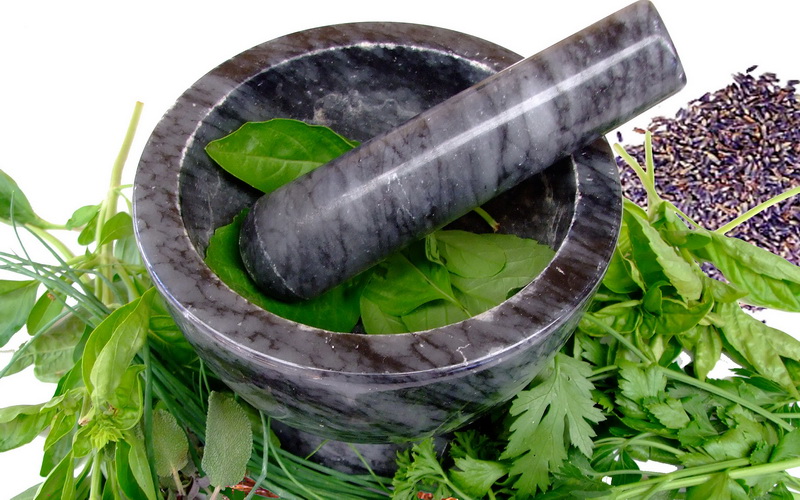
METODI IZRADE PREPARATA:
Antropozofski metodi
Homeopatski metodi
Tradicionalni metodi
Metodi po farmakopejama
- 3.2.1. APC Method
APC Method 3.2.1. (related to Ph. Eur. 2371, Method 4a) DER 1:20 dried plant
Prepare mother tinctures according to APC Method 3.2.1. using the maceration methods given in the Ph. Eur. monograph „Extracts“.
Use 1 part of dried plant or parts of plants to 20 parts of ethanol in suitable concentration (see HAB H.5.3), unless otherwise prescribed in the individual monograph. If adjustment to a given concentration is necessary, calculate the amount of ethanol required to obtain the concentration specified or used for production from equation (1) of HAB Method 1.
Mix the calculated amount of ethanol with the filtrate.
Allow to stand for not less than 5 days at a temperature not exceeding 20 °C, then filter if necessary
- 3.2.2. APC Method
APC Method 3.2.2. (related to HAB Method 12a)
Preparations according to APC Method 3.2.2. are tinctures for external use.
They are prepared as follows: maceration of dried plants or parts of plants with ethanol in a ratio of 1:10 (in analogy to Ph. Eur. 2371, Method 4a and HAB Methods 4a or 19f or 20).
Glycerol may be added up to 10 per cent.
- 3.3. Tinctures made by maceration with glycerol
3.3. Tinctures made by maceration with glycerol
DEFINITION
Tinctures made by maceration with glycerol are liquids and are obtained from fresh (frozen) or dried vegetable matter. The maceration is carried out at the required temperature (not above 25 °C) by using glycerol of a suitable concentration or a glycerol solution containing sodium chloride.
If necessary, the matter to be extracted is reduced to pieces of suitable size.
The prescribed quantity of extraction solvent according to the individual monograph is added to the raw material.
Mix thoroughly and allow to stand in a closed container at a temperature not above 25 °C, protected from light for the
appropriate time.
If necessary shake or stir occasionally.
Express and filter, if necessary.
Adjustment of the constituents:
Adjustment of the content of constituents may be carried out, if necessary,
either by adding the extraction solvent of suitable concentration or by adding another macerate of the vegetable starting material used.
Adjustment of content by concentration is carried out using suitable methods, generally under reduced pressure.
IDENTIFICATION
At least one chromatographic or electrophoretic (animal matter) identification test is carried out.
TESTS
Conductivity (Ph. Eur. 2.2.38.).
Where applicable, the macerate complies with the limits prescribed in the individual monograph.
Relative density (Ph. Eur. 2.2.5.).
The macerate complies with the limits prescribed in the individual monograph.
Microbiological examination (Ph. Eur. 2.6.12., 2.6.13.).
Where applicable, the macerate complies with the limits prescribed.
Microbiological quality (Ph. Eur. 5.1.4.).
Category 3A or 3B respectively according to the individual monograph.
ASSAY
An assay with quantitative limits is performed when starting materials with toxicologically relevant substances are used.
STORAGE
Store in a well-closed container, protected from light.
RECOMMENDED DESIGNATION
The designation states:
– the reference pharmacopoeia/codex,
– the vegetable or animal matter used,
– where applicable, the fresh vegetable matter used,
– the glycerol content of the solvent used for the preparation,
– where applicable, the ratio of starting material to extraction liquid or of starting material to macerate.
- 3.4. Liquid preparations made by maceration with oil
3.4. Liquid preparations made by maceration with oil
DEFINITION
Liquid preparations made by maceration with oil are of liquid consistency and obtained from fresh (frozen) or dried vegetable matter.
The maceration is carried out at the required temperature (not above 25 °C) mostly by using arachis oil or olive oil.
If necessary, the matter to be extracted is reduced to pieces of suitable size.
The prescribed quantity of extraction solvent according to the individual monograph is added to the raw material.
Mix thoroughly and allow to stand in a closed container at the required temperature, protected from light for the appropriate time. If necessary shake or stir occasionally.
Express and filter, if necessary.
Adjustment of the constituents: Adjustment of the content of constituents may be carried out, if necessary, either by adding the extraction solvent of suitable concentration or by adding another macerate of the vegetable or animal starting material used.
IDENTIFICATION
At least one chromatographic identification test is carried out.
TESTS
Relative density (Ph. Eur. 2.2.5.).
The oil extract complies with the limits prescribed in the individual monograph.
Refractive index (Ph. Eur. 2.2.6.).
The oil extract complies with the limits prescribed in the individual monograph.
Peroxide value (Ph. Eur. 2.5.5.).
Where applicable, the oil extract complies with the limits prescribed in the individual monograph.
ASSAY
An assay with quantitative limits is performed when starting materials with toxicologically relevant substances are used.
STORAGE
Store in a well-closed container, protected from light.
RECOMMENDED DESIGNATION
The designation states:
– the reference pharmacopoeia/codex,
– the vegetable or animal matter used,
– where applicable, the fresh vegetable or animal matter used,
– where applicable, the solvent used for the preparation,
– where applicable, the ratio of starting material to extraction liquid or of starting material to preparation.
- .
.
- .
.
METHOD 2a (EQUIVALENT TO HAB 2a MOTHER TINCTURES AND LIQUID DILUTIONS) Method 2a is used for fresh herbal drugs containing generally less than 70 per cent of expressed juice and more than 60 per cent moisture (loss on drying) and no essential oil or resin. Mother tinctures prepared according to Method 2a (ethanol content approximately 50 per cent VV or 43 per cent mm) are prepared by maceration as described below. Comminute the herbal drug. Take a sample and determine the loss on drying (2.2.32). Unless otherwise prescribed, determine the loss on drying on 2.00-5.00 g of comminuted raw material in a flat-bottomed tared vessel, 45-55 mm in diameter, that has been previously dried as indicated for the raw material. Dry the raw material at 100-105 °C for 2h then allow to cool in a desiccator. To the comminuted herbal drug immediately add not less than half the mass of ethanol (90 per cent VV) [ethanol (86 per cent mm)] and store in well-closed containers at a temperature not exceeding 20 °C. Use the following expression to calculate the amount (A2), in kilograms, of ethanol (90 per cent VV) [ethanol (86 per cent mm)] required for the mass (m) of raw material, then subtract the amount of ethanol (90 per cent VV) [ethanol (86 per cent mm)] already added and add the difference to the mixture. m = mass of raw material, in kilograms; T = percentage loss on drying of the sample. Allow to stand at a temperature not exceeding 20 °C for not less than 10 days, swirling from time to time, then express the mixture and filter the resulting liquid. Adjustment to any value specified in the individual monograph Determine the percentage dry residue (2.8.16) or, where prescribed, the percentage assay content of the above-mentioned filtrate. Calculate the amount (A1), in kilograms, of ethanol (50 per cent VV) [ethanol (43 per cent mm)] required, using the following expression m = mass of filtrate, in kilograms; N0 = percentage dry residue or percentage assay content as required in the individual monograph; Nx = percentage dry residue or percentage assay content of the filtrate. Mix the filtrate with the calculated amount of ethanol (50 per cent VV) [ethanol (43 per cent mm)]. Allow to stand at a temperature not exceeding 20 °C for not less than 5 days, then filter if necessary. METHOD 2b (EQUIVALENT TO HAB 2b MOTHER TINCTURES AND LIQUID DILUTIONS) Method 2b is used for fresh herbal drugs containing generally less than 70 per cent of expressed juice and more than 60 per cent moisture (loss on drying) and no essential oil or resin. Mother tinctures prepared according to Method 2b (ethanol content approximately 36 per cent VV or 30 per cent mm) are prepared by maceration as described below. Comminute the herbal drug. Take a sample and determine the loss on drying (2.2.32). Unless otherwise prescribed, determine the loss on drying on 2.00-5.00 g of comminuted raw material in a flat-bottomed tared vessel, 45-55 mm in diameter, that has been previously dried as indicated for the raw material. Dry the raw material at 100-105 °C for2h then allow to cool in a desiccator. To the comminuted herbal drug immediately add not less than half the mass of ethanol (70 per cent VV) [ethanol (62 per cent mm)] and store in well-closed containers at a temperature not exceeding 20 °C. Use the following expression to calculate the amount (A2), in kilograms, of ethanol (70 per cent VV) [ethanol (62 per cent mm)] required for the mass (m) of raw material, then subtract the amount of ethanol (70 per cent VV) [ethanol (62 per cent mm)] already added and add the difference to the mixture. m = mass of raw material, in kilograms; T = percentage loss on drying of the sample. Allow to stand at a temperature not exceeding 20 °C for not less than 10 days, swirling from time to time, then express the mixture and filter the resulting liquid. Adjustment to any value specified in the individual monograph Determine the percentage dry residue (2.8.16) or, where prescribed, the percentage assay content of the above-mentioned filtrate. Calculate the amount (A1), in kilograms, of ethanol (36 per cent VV) [ethanol (30 per cent mm)] required, using the following expression m = mass of filtrate, in kilograms; N0 = percentage dry residue or percentage assay content as required in theindividual monograph; Nx = percentage dry residue or percentage assay content of the filtrate. Mix the filtrate with the calculated amount of ethanol (36 per cent VV) [ethanol (30 per cent mm)]. Allow to stand at a temperature not exceeding 20 °C for not less than 5 days, then filter if necessary. METHOD 3a (EQUIVALENT TO HAB 3a MOTHER TINCTURES AND LIQUID DILUTIONS) Method 3a is used for fresh herbal drugs containing essential oil or resin, or generally less than 60 per cent moisture (loss on drying). Mother tinctures prepared according to Method 3a (ethanol content approximately 68 per cent VV or 60 per cent mm) are prepared by maceration as described below. Comminute the herbal drug. Take a sample and determine the loss on drying (2.2.32). Unless otherwise prescribed, determine the loss on drying on 2.00-5.00 g of comminuted raw material in a flat-bottomed tared vessel, 45-55 mm in diameter, that has been previously dried as indicated for the raw material. Dry the raw material at 100-105 °C for 2h then allow to cool in a desiccator. To the comminuted herbal drug immediately add not less than half the mass of ethanol (90 per cent VV) [ethanol (86 per cent mm)] and store in well-closed containers at a temperature not exceeding 20 °C. Use the following expression to calculate the amount (A3), in kilograms, of ethanol (90 per cent VV) [ethanol (86 per cent mm)] required for the mass (m) of raw material, then subtract the amount of ethanol (90 per cent VV) [ethanol (86 per cent mm)] already added and add the difference to the mixture. m = mass of raw material, in kilograms; T = percentage loss on drying of the sample. Allow to stand at a temperature not exceeding 20 °C for not less than 10 days, swirling from time to time, then express the mixture and filter the resulting liquid. Adjustment to any value specified in the individual monograph Determine the percentage dry residue (2.8.16) or, where prescribed, the percentage assay content of the above-mentioned filtrate. Calculate the amount (A1), in kilograms, of ethanol (70 per cent VV) [ethanol (62 per cent mm)] required, using the following expression m = mass of filtrate, in kilograms; N0 = percentage dry residue or percentage assay content as required in the individual monograph; Nx = percentage dry residue or percentage assay content of the filtrate. Mix the filtrate with the calculated amount of ethanol (70 per cent VV) [ethanol (62 per cent mm)]. Allow to stand at a temperature not exceeding 20 °C for not less than 5 days, then filter if necessary. METHOD 3b (EQUIVALENT TO HAB 3b MOTHER TINCTURES AND LIQUID DILUTIONS) Method 3b is used for fresh herbal drugs containing essential oils or resins or generally less than 60 per cent moisture (loss on drying). Mother tinctures prepared according to Method 3b (ethanol content approximately 50 per cent VV or 43 per cent mm) are prepared by maceration as described below. Comminute the herbal drug. Take a sample and determine the loss on drying (2.2.32). Unless otherwise prescribed, determine the loss on drying on 2.00-5.00 g of comminuted raw material in a flat-bottomed tared vessel, 45-55 mm in diameter, that has been previously dried as indicated for the raw material. Dry the raw material at 100-105 °C for 2h then allow to cool in a desiccator. To the comminuted herbal drug immediately add not less than half the mass of ethanol (80 per cent VV) [ethanol (73 per cent mm)] and store in well-closed containers at a temperature not exceeding 20 °C. Use the following expression to calculate the amount (A3 ), in kilograms, of ethanol (80 per cent VV) [ethanol (73 per cent mm)] required for the mass (m) of raw material, then subtract the amount of ethanol (80 per cent VV) [ethanol (73 per cent mm)] already added and add the difference to the mixture. m = mass of raw material, in kilograms; T = percentage loss on drying of the sample. Allow to stand at a temperature not exceeding 20 °C for not less than 10 days, swirling from time to time, then express the mixture and filter the resulting liquid. Adjustment to any value specified in the individual monograph Determine the percentage dry residue (2.8.16) or, where prescribed, the percentage assay content of the above-mentioned filtrate. Calculate the amount (A1), in kilograms, of ethanol (50 per cent VV) [ethanol (43 per cent mm)] required, using the following expression m = mass of filtrate, in kilograms; N0 = percentage dry residue or percentage assay content as required in the individual monograph; Nx = percentage dry residue or percentage assay content of the filtrate. Mix the filtrate with the calculated amount of ethanol (50 per cent VV) [ethanol (43 per cent mm)]. Allow to stand at a temperature not exceeding 20 °C for not less than 5 days, then filter if necessary. METHOD 3c (EQUIVALENT TO HAB 3C MOTHER TINCTURES AND LIQUID DILUTIONS) Method 3c is used for fresh herbal drugs containing generally less than 60 per cent moisture (loss on drying). Mother tinctures prepared according to Method 3c (ethanol content approximately 36 per cent VV or 30 per cent mm) are prepared by maceration as described below. Comminute the herbal drug. Take a sample and determine the loss on drying (2.2.32). Unless otherwise prescribed, determine the loss on drying on 2.00-5.00 g of comminuted raw material in a flat-bottomed tared vessel, 45-55 mm in diameter, that has been previously dried as indicated for the raw material. Dry the raw material at 100-105 °C for 2h then allow to cool in a desiccator. To the comminuted herbal drug immediately add not less than half the mass of ethanol (50 per cent VV) [ethanol (43 per cent mm)] and store in well-closed containers at a temperature not exceeding 20 °C. Use the following expression to calculate the amount (A3), in kilograms, of ethanol (50 per cent VV) [ethanol (43 per cent mm)] required for the mass (m) of raw material, then subtract the amount of ethanol (50 per cent VV) [ethanol (43 per cent mm)] already added and add the difference to the mixture. m = mass of raw material, in kilograms; T = percentage loss on drying of the sample. Allow to stand at a temperature not exceeding 20 °C for not less than 10 days, swirling from time to time, then express the mixture and filter the resulting liquid. Adjustment to any value specified in the individual monograph Determine the percentage dry residue (2.8.16) or, where prescribed, the percentage assay content of the above-mentioned filtrate. Calculate the amount (A1), in kilograms, of ethanol (36 per cent VV) [ethanol (30 per cent mm)] required, using the following expression m = mass of filtrate, in kilograms; N0 = percentage dry residue or percentage assay content as required in the individual monograph; Nx = percentage dry residue or percentage assay content of the filtrate. Mix the filtrate with the calculated amount of ethanol (36 per cent VV) [ethanol (30 per cent mm)]. Allow to stand at a temperature not exceeding 20 °C for not less than 5 days, then filter if necessary. METHOD 4a (EQUIVALENT TO HAB 4a MOTHER TINCTURES AND LIQUID DILUTIONS) Method 4a is generally used for dried herbal drugs. Mother tinctures prepared according to Method 4a are prepared by maceration or percolation as described below, using 1 part of dried herbal drug and 10 parts of ethanol of the appropriate concentration (anhydrous, 96 per cent VV – 94 per cent mm, 90 per cent VV – 86 per cent mm, 80 per cent VV – 73 per cent mm, 70 per cent VV – 62 per cent mm, 50 per cent VV – 43 per cent mm, 36 per cent VV – 30 per cent mm, 18 per cent VV – 15 per cent mm), unless otherwise prescribed in the individual monograph. Production by maceration. Unless otherwise prescribed, comminute the herbal drug, mix thoroughly with ethanol of the appropriate concentration and allow to stand in a closed container for an appropriate time. Separate the residue from the ethanol and, if necessary, press out. In the latter case, combine the 2 liquids obtained. Production by percolation. If necessary, comminute the herbal drug. Mix thoroughly with a portion of ethanol of the appropriate concentration and allow to stand for an appropriate time. Transfer to a percolator and allow the percolate to flow slowly, at room temperature, making sure that the herbal drug to be extracted is always covered with the remaining ethanol. The residue may be pressed out and the expressed liquid combined with the percolate. If adjustment to a given concentration is necessary, calculate the amount (A1), in kilograms, of ethanol of the appropriate concentration required to obtain the concentration specified or used for production, using the following expression m = mass of percolate or macerate, in kilograms; N0 = percentage dry residue or percentage assay content as required in the individual monograph; Nx = percentage dry residue or percentage assay content of the percolate or macerate. Mix the macerate or percolate with the calculated amount of ethanol of the appropriate concentration. Allow to stand at a temperature not exceeding 20 °C for not less than 5 days, then filter if necessary. METHOD 4c (FRENCH PHARMACOPOEIA) Method 4c is generally used for herbal drugs. The state of the herbal drug, fresh or dried, is specified in the individual monograph. Mother tinctures prepared according to Method 4c are prepared by maceration. Comminute appropriately the herbal drug. Take a sample and determine the loss on drying at 100-105 °C for 2 h (2.2.32) or the water content (2.2.13). Taking this value into account, calculate and add to the herbal drug the quantities of ethanol of the appropriate concentration required to produce, unless otherwise prescribed, a 1 in 10 mother tincture (1:10 mother tincture) withasuitable ethanol content. Allow to macerate for at least 10 days, with sufficient shaking. Separate the residue from the ethanol and strain atapressure of about 107 Pa. Allow the combined liquids to stand for 48 h and filter. For mother tinctures with a required assay content, adjustment may be carried out, if necessary, by adding ethanol of the same concentration as used for the preparation of the tincture.
Methods of Preparing Herbal Remedies
In traditional herbal medicine systems, herbal remedies are prepared in several rather standardized ways which usually vary based upon the plant utilized, and sometimes, what condition is being treated. Some of these methods include: infusions (hot teas), decoctions (boiled teas), tinctures (alcohol and water extracts), and macerations (cold-soaking) which are detailed more fully herein. In indigenous Indian medicine systems, medicine men or shamans generally use these same methods in addition to others. Others include preparing plants in hot baths (in which the patient is soaked in it or bathed with it), inhalation of powdered plants (like snuff), steam inhalation of various aromatic plants boiled in hot water, and even aromatherapy. The well-trained herbalist will always throughly review the time-honored method in which a plant has been traditionally prepared—it holds important information for preparing an effective herbal remedy.
Active Plant Chemicals Equal Active Remedies
The biological or therapeutic activity of a medicinal plant is closely related to the plant chemicals in it. These chemicals can be classified into major groups of chemicals such as essential oils, alkaloids, acids, steroids, tannins, saponins and so forth. Each one of these classes of chemicals may have a preferred effective method of extraction which facilitates getting the chemicals out of the plant and into the herbal remedy that is being prepared. For example, some active chemicals found in plants are not soluble or dissolved in water, therefore just preparing a hot tea with the plant, or even boiling the plant in hot water won’t extract these chemicals into the resulting water extract/tea remedy. Generally, if they aren’t water soluble, they won’t be broken down in the digestive process either, so taking the plant in capsules or tablets won’t be much help either. If the active chemicals aren’t in the prepared remedy – then it probably won’t provide any benefits that are attributed to these chemicals. These same chemicals may however be more soluble in alcohol. . . which is why the time-honored method of preparing the plant has been as a tincture (or a water/alcohol extract).
Interestingly, this is also the reason why some plants are prepared in one manner to treat one specific condition, yet are prepared in a different way to treat a completely different condition. For example; preparing an infusion/tea of a plant might extract a delicate group of anti-inflammatory plant steroids to treat arthritis (and leave behind other non-water soluble chemicals). Yet when the same plant is prepared in alcohol as a tincture, the delicate steroids are degraded or burned-up in the alcohol but different antibacterial alkaloids (which are only soluble in alcohol) are extracted instead. This may explain why a tea of the plant is used for arthritis while a tincture of the same plant is traditionally used to treat various bacterial infections.
The rainforest shaman or rural herbal healer is not a trained chemist with high-tech machines and scientific instruments at their disposal to isolate and study plant chemicals. Their knowledge has been built over time—decades of passed down empirical knowledge from trial and error, human experimentation, and even serendipity, about the best way to prepare medicinal plants into effective herbal remedies. Yet, more oftentimes than not, plant chemists and scientists generally get around to verifying that these so-called „uneducated“ herbal healers have maneuvered thru complex chemical differences, reactions and interactions, and different types of chemicals – „unwittingly“ developing the most efficient manner to extract and utilize their biological activities. It is usually the shaman’s knowledge, however, that the really smart scientists start with which gives specific clues as to which types of chemicals might be present in a plant based upon the traditional preparation method used.
Rather than to enroll in some organic chemistry class to understand the complex chemical makeup of the plants in this book and how to prepare or use them; simply pay attention to the traditional manner in which they have been prepared. This information is well recorded in the main plant section of the book as to how each plant is prepared when it is used for various condition and remedies. If it says the plant is prepared into a tea to treat one condition, and prepared as a tincture to treat something different. . . there is probably a reason for it!
Choosing Products
Many of the plants featured in this book are available in the retail market; in dried raw form, as well as in manufactured products (prepared capsules, tinctures, extracts, etc.) The smart consumer however, will be prepared to notice whether product manufacturers have followed these traditional preparation methods—because they will make a difference in the quality and results one can expect to achieve with any given product. A good example is the rainforest plant, muira puama (featured in this book). It has gained in popularity in the retail market over the last 5 years as a male aphrodisiac and libido stimulant following it’s long history of use in the Amazon for male sexual function. As such, it is showing up as an ingredient in many libido and male sexual health formulas sold in health food stores. The well-informed consumer however, would know that most of the chemicals which provide this benefit are soluble only in alcohol and would pass by the products on the shelf that just put muira puama in a capsule or tablet (and there are quite a few out there!) choosing a prepared alcohol tincture instead.
Its hard to say if herbal manufacturers are uninformed, or just capitalizing on the market created for a popular herb when they ignore traditional preparation methods. Many utilize only one extraction method for every product in their line regardless of the many medicinal plants they work with and their unique chemical contents. This usually results in some products being effective, while others are not, depending on which active chemicals actually got extracted by their one standardized manufacturing method. Unfortunately, it is usually consumers’ hard-earned dollars that determine which are effective. Sadder still, the value and efficacy of the medicinal plants themselves are often judged by these poorly manufactured products. There are many men out there today which claim muira puama just didn’t deliver the results (or the value for their money) because they chose some bark capsule product, when in fact, it is one of the best natural products available today for male sexual function when it is prepared properly – as an alcohol tincture.
So, as with most industries, the old saying of „let the buyer beware“ certainly has a place in the herbal products industry. Before purchasing manufactured herbal products – do some research and pay close attention to traditional methods. While capsules and tablets certainly are easier to take (and don’t taste bad), sometimes they just won’t be as effective as a foul-tasting herbal decoction or tincture. There can be some adaptations however. As a general rule of thumb, many plants which are traditionally prepared as infusions and cold macerations will have active chemicals which are soluble in water. This means that the plant can probably be taken in a tablet or capsule (that the herbal healer in the Amazon doesn’t have access to therefore isn’t recorded as a „traditional“ method) since the chemicals will be broken down and dissolved in the digestive tract. There are a few exceptions—generally for aromatic plants which need heat to release the aromatic essential oils which are inhaled when sipping the tea remedy as well as better absorbed in the mouth and throat. These adaptations have been noted in the Plant Data Summary reference guide in this section with the „Main Preparation Method“ indicated. Before buying or preparing a remedy however, it is still always best to refer to the complete information in the main plant section about the plant since there may be some differences in methods based on the type of remedy wanted for a specific condition.
Preparing Your Own Remedies
While a bit more trouble and time consuming, making your own natural remedies is usually much more economical than purchasing manufactured products. They can also be much more effective when prepared properly and by following time-honored traditional preparation methods. The first step is sourcing the good raw plant materials. Most coming from South America and the Amazon (featured in this book) will only be available in a dried state, and in either a cut herb or ground powder form. Find a reputable supplier who exports regularly from the region and PLEASE, ask questions about their harvesting practices. Many South American plants are harvested unsustainably – causing more rainforest destruction, rather than helping to preserve it. Again, do the research required to find a good supplier, ask questions, and make sure you are obtaining the correct species of plant, it is fresh, and it has been sustainably harvested.
If you don’t plan on using the plant(s) immediately, it’s best to keep them unopened, in their original packaging, and away from direct sunlight (just put them in a closed cupboard/cabinet). Many plants will absorb moisture and humidity from the air, so if they are opened, reseal them tightly, or put them into glass jars with a tight-fitting lid (avoid metal containers). Most will never require refrigeration or freezing – just keep them at average room temperature (70-80 degrees). Generally, the „shelf-life“ for optimum freshness will be about a year for a dried leaves, and two years for dried barks and roots if stored properly. If you live in a warm, high humidity area, it may be impossible to keep moisture out of regularly opened and closed glass containers, and the plants may become moldy. If this happens, discard them and purchase fresh ones. Next time, try storing them in paper lunch bags so they can „breathe“ (although this will reduce the shelf-life significantly).
It is not always necessary to find a tea-cut plant to prepare a tea; ground powders can be used to make teas, tinctures and decoctions just as well. Since the plant is finely ground, it usually makes a stronger remedy as more surface area of the plant is available to extract in the liquid. Extra time filtering is normally required when working with plant powders, but many herbalists prefer working with powders instead of bulky cut herbs since they make stronger extracts. It is also recommended to use distilled or purified water when extracting medicinal plants. Regular tap water can contain chlorine and other chemicals which might have an interaction or chain reaction with one or more of the many chemicals found in plants.
Instructions for the main preparation methods used in the reference guides and in the main plant section are as follows.
Infusions
Infusions are typically used for delicate herbs, leaves and fresh tender plants. Preparing an infusion is much like making a cup of tea. Water is brought just to a boil and then poured over an herb (or combination of herbs), it is covered and allowed to sit/steep for 10-15 minutes or so. It can be prepared in the drinking cup (by just pouring the heated water over the herb in the cup) or by dropping the herb into the pot which the water was heated in. Empty gauze tea-bags are even available at some herb stores which can be filled with herbs and then sealed with a iron. If an infusion is prepared in the heating pan/pot, it’s best to use a ceramic pot with a lid (avoid metal pots). Stirring it a few times while steeping (especially with cut herbs) is helpful. Keeping the infusion covered while steeping is generally recommended as well (place a saucer on top of the cup, or a lid on top of the pot). The ratio of herb to water can vary depending on the remedy, the plant, and whether cut herb or powdered herb is used. Generally using 1 teaspoon of powdered herb or 2 teaspoons of more bulky cut herb in a 6-8 ounce cup of water is sufficient. If using a powdered herb; stir once halfway through the seeping time and let the powder settle to the bottom of the cup, then drink the infusion off the top (leaving the sediment in the bottom of the cup). If using a cut herb, strain the infusion with a tea-strainer after seeping. Infusions are best prepared as needed and taken the same day it was prepared and can be taken hot, warm, or cold. Standard dosages of infusions are generally one teacup (6-8 ounces), two or three times daily. The entire day’s dosage can be prepared in the morning (2-3 cups at one time), and the remainder refrigerated until ready to use. The exceptions are the more aromatic plants with active essential oils. These are best prepared in single dosages (by the cupful) as needed and taken immediately (and while still hot/warm).
Decoctions
Decoctions are usually the method of choice when working with tougher and more fibrous plants, barks and roots (and which have water soluble chemicals). Instead of just steeping it in hot water, the plant material is boiled for a longer period of time to soften the harder woody material and release its active constituents. To prepare a decoction, select a ceramic pot with a snug fitting lid. Measure the amount of herb needed (usually the same ratio of 1 teaspoon powdered herb or 2 teaspoons of cut herb per 8 ounces of water) into the pot and add the proper amount of cold water depending on how many cups of the decoction you wish to prepare. Turn on the heat to medium high and bring to a roiling boil. Place the lid on the pot and reduce the heat to medium or medium-low so that the mixture stays at a good simmer. Simmer it covered for 20 minutes. If you can see steam escaping or smell the aroma of the herb, your lid is not tight enough and valuable essential oils are escaping. After 20 minutes, remove from heat and cool slightly. If using cut herbs, strain the mixture through a tea strainer into a teacup. When straining, make sure to press on the cut herb pieces in the strainer to get as much liquid/decoction out of the herb pieces as possible. If using powdered herb, allow the powder to settle to the bottom of the pot and then pour off the decoction from the top into a teacup (any sediment missed will settle to the bottom of the teacup). Standard dosages for decoction are generally one-half to one cup, two or three times daily. Again, the entire day’s dosage can be prepared in the morning (2-3 cups at one time), and the remainder refrigerated until ready to use later in the day.
Strong Decoctions
Depending on the type of plant material used, strong decoctions are prepared in two general ways. The first involves boiling the mixture longer. This is usually indicated when working with larger woody pieces of bark. Longer boiling time, up to 2 hours or more, is sometimes necessary to break down, soften, and extract the larger pieces. Alternatively, when smaller woody pieces are used yet a stronger remedy is wanted, the decoction is prepared as above (boiling 20 minutes), then it is allowed to sit/soak overnight before straining out the herb. When straining, again, make sure to press on the cut herb pieces in the strainer to get as much moisture/decoction out of the herb pieces.
Tinctures
A tincture is an alcohol and water extract which is used when plants have active chemicals that are not very soluble in water, and/or when a larger quantity is prepared for convenience and wanted for longer term storage. Many properly prepared plant tinctures can last several years or more without losing potency. The percentage of alcohol usually helps determine its shelf-life: the more alcohol used, the longer the shelf life. Sometimes the percentage of alcohol and water is unique to the herbs that are used as some active ingredients are more soluble in alcohol and others more soluble in water. The type of alcohol can vary. . . from vodka, rum, or 90 to 180 proof grain alcohol (sold as „everclear“ in liquor stores and sometimes cheaper than vodka). Vodka is fine, but remember if it says 80 proof; it is 40% alcohol and the rest is water. In the Amazon, a sugar-cane alcohol resembling rum and called aguardiente is often used to prepare plant tinctures and it is 40 to 50% alchohol (or 80 to 90 proof). To prepare a tincture with a shelf-life of at least one year, plan on using a minimum of 40% alcohol (so you can extract an herb in a bottle of 80 proof vodka or rum without adding any water). Use a clean glass bottle or jar with tight fitting lid or cork. Use a dark colored bottle (like a recycled green/amber wine bottle) or plan on storing the bottle out of the sunlight. When working with dried plants, use two ounces of plant material (cut or powder) for every 8 ounces (1 cup) of liquid. Since many cut herbs can be bulky, measure the amount of cut herb by weight and not volume (ie; most cooks would tell you 2 tablespoons of butter is 1 ounce… however a lightweight bulky leaf is not as heavy as butter in the same volume or by the tablespoon). A „standard 4:1 tincture“ usually means 1 part herb to 4 parts liquid (or as above, 1 ounce herb to 4 ounces of liquid). To prepare approximately 1 cup of tincture (some of the liquid will be absorbed by the dry plant material) place 2 ounces of the herb (cut up or powdered) into your clean glass container. Pour ½ cup (4 ounces) of distilled water and ½ cup (4 ounces) of 180 proof alcohol into the container (or just use 1 cup of straight 80 proof vodka and no water). Seal the container and store at room temperature away from direct sunlight. Shake the bottle/jar at least once daily while allowing it to soak/extract for at least two weeks (larger woody cut herb pieces may need to soak for 4 weeks). At the end of two weeks, filter the tincture through a strainer to remove the plant parts (pressing hard on the plant material to get as much liquid out as possible) and pour into a fresh clean glass container and seal. Some like to pour it through a cheese cloth and then use the cheese cloth to more easily wring out the liquid from the plant material. If using a powdered plant for the tincture, stop shaking for three days and the powder will settle to the bottom. Pour the tincture off the top through a piece of cheesecloth to filter it.
Since this method uses a higher ratio of plant to liquid and helps concentrate the chemicals through the use of alcohol, dosages needed for tinctures are usually much less than infusions and decoctions. Average dosages for tinctures are about 1-2 milliliters (about 30 to 60 drops) two to three times daily. The tincture can be placed directly in the mouth for immediate absorption, or placed in a small amount of water or juice. If you dislike the alcohol content (or want to give the remedy to a child), place the dosage in about 1-2 ounces of very hot water and most of the alcohol will be evaporated in the hot water in a minute or two. (Let cool before taking). Store the tincture at room temperature and away from direct sunlight.
Macerations
This method of preparation is certainly the easiest. The fresh or dried plant material is simply covered in cool water and soaked overnight. The herb is strained out and the liquid is taken. Normally this is used for very tender plants and/or fresh plants, or those with delicate chemicals that might be harmed by heating or which might be degraded in strong alcohol. This is also the easiest to adapt to western methods, since tablets or capsules can be used instead. Alternatively, just stir the ground plant powder into juice, water or smoothies and drink.
Poultices and Compresses
Many herbal remedies are applied directly to the skin as poultices – usually on rashes and wounds and as topical pain-relieving remedies. Poultices are prepared in various ways… from the jungle shaman chewing up fresh leaves or roots and spitting them out onto the skin, to mashing up fresh leaves or roots by hand or with a mortar and pestle. Sometimes just enough hot water is poured over dried or fresh plant material to soften them. Then the wet herbs are placed directly on the skin or between two pieces of cloth and laid on the skin. A light cotton bandage to bind the poultice to the area is generally used (or in the jungle, a nice large flexible leaf is commonly employed and tied with a bit of twine). Compresses are simply soaking a cloth in a prepared infusion, tincture or decoction and laying the cloth onto the affected part of the body/skin. Since most American readers of this book will only have access to dried plant materials to work with, using compresses instead of poultices will suffice for many of the describe indigenous poultice remedies. More specific adaptations and directions where applicable are found in the main plant section under „Traditional Remedy“ where it might say to apply an infusion or decoction topically.
Baths and Bathing Remedies
Quite a few popular jungle remedies which have been used for thousands of years in the Amazon are prepared as vapor baths, or medicinal plants are added to bath water and the patient is soaked in it. This method is not unlike some of the currently evolving dermal delivery systems for drug absorption being employed in conventional medicine. The skin is a wonderful organ capable of absorbing plant chemicals (and even synthetic chemicals) directly thru the skin, and into the underlying fat tissue, then into the bloodstream. Since fresh plants are generally used for bathing remedies (chopped or crushed first before adding to the bath water), western adaptations are not always possible when only dried plant materials are available here. In the alternative, try 20 to 30 ounces of a strong decoction or infusion added to your bath water and soak in it for at least 10 minutes.
The information provided above has been quoted from the book, The Healing Power of Rainforest Herbs by Leslie Taylor (© Copyrighted 2004) and is intended for educational, entertainment and information purposes only.
The statements contained herein have not been evaluated by the Food and Drug Administration. This information is not intended to be used to diagnose, prescribe or replace proper medical care. The plants described herein are not intended to treat, cure, diagnose, mitigate or prevent any disease. No claim is made that these plants are effective in treating or curing any disease or condition. Please refer to our Conditions of Use for using this plant database, this text file in the database and the Raintree Nutrition web site.
Izvor: www.rain-tree.com
X X X X X
SPISAK OVLAŠĆENIH GALENSKIH LABORATORIJA NA DAN 10. JUL 2018. SA SAJTA MINISTARSTVA ZDRAVLJA REPUBLIKE SRBIJE
СПИСАК ГАЛЕНСКИХ ЛАБОРАТОРИЈА
| Ред.бр. | Здравствена установаса седиштем | Галенска лабораторијаса адресом | Број решењаи датум издавања |
| 1. | ЗУ Апотека „Farmanea”Београд,
ул. Милоша Поцерца 25 |
Галенска лабораторијаЗУ Апотеке „Farmanea”
Београд-Батајница, ул. Мајке Југовића бр. 11 |
515-04-1980/2011-0811.07.2012. |
| 2. | Апотека „Београд“Београд,
ул. Бојанска бр. 16/IV |
Галенска лабораторија“Gornji grad”
Београд-Лазаревац ул. Краља Петра I бр.29а |
515-04-2504/2012-0813.07.2012. |
| 3. | Апотека „Зајечар“,Зајечар,
ул. Николе Пашића бр. 11-13 |
Галенска лабораторијаАпотеке „Зајечар“, Зајечар,
ул.Николе Пашића бр. 11-13 |
515-04-2348/2012-0801.10.2012. |
| 4. | ЗУ Апотека „Панчево“Панчево,
ул. Карађорђева бр. 2 |
Галенска лабораторијаЗУ Апотеке „Панчево“ Панчево,
ул. Карађорђева бр. 2 |
515-01-03326/2012-0831.10.2012. |
| 5. | ЗУ Апотека„Pharma Produkct”,
Београд, Земун – Алтина, ул. Јасмине Јовановић бр. 8 |
Галенска лабораторијаЗУ Апотеке „Pharma Produkct” Београд, Земун – Алтина, ул. Јасмине Јовановић бр.8 | 515-04-04724/2012-0823.11.2012. |
| 6. | ЗУ Апотека „Крушевац“Крушевац,
ул. Луке Ивановића бр. 34 |
Галенска лабораторијаЗУ Апотеке „Крушевац“, Крушевац,
ул. Луке Ивановића бр. 34 |
515-04-6121/2013-1104.03.2013. |
| 7. | ЗУ Апотека „Lilly Drogerie“Београд, Раковица,
ул. Пилота Михајла Петровића 6 |
Галенска лабораторијаЗУ Апотеке „Lilly Drogerie“
Нови Београд, ул. Јурија Гагарина бр. 221 |
515-04-00797/2015-1122.04.2015. |
| 8. | ЗУ Апотека „Јанковић“Нови Сад,
ул. Милоша Бајића бр. 13 |
Галенска лабораторијаЗУ Апотеке „Јанковић“,
Нови Сад, ул. Хероја Пинкија бр. 7 |
515-04-4938/2015-1114.12.2015. |
| 9. | ЗУ Апотека „Нови Сад“Нови Сад,
ул. Руменачка бр. 1 |
Галенска лабораторијаЗУ Апотеке „Нови Сад“
Нови Сад, Ветерник, ул. Вука Караџића бб |
515-04-1375/2016-1110.05.2016. |
| 10. | ЗУ Апотека „Livsane“Нови Сад,
ул. Стражиловска бр. 19а |
Галенска лабораторијаЗУ Апотеке „Livsane“,
Нови Сад, ул. Руменачки пут бр. 22 |
515-04-1865/2017-1113.04.2017.
решење о измени решења 515-04-5958/2015-11 10.12.2015. |
| 11. | Апотека “Ниш”,Ниш,
Булевар др Зорана Ђинђића 6 |
Галенска лабораторијаАпотеке „Ниш“, Ниш,
ул. Пантелејска бр. 81 |
515-04-2556/2017-1120.04.2017. |
| 12. | Апотека „Београд“Београд,
ул. Бојанска бр. 16/IV |
Галенска лабораторијаАпотеке „Београд“, Београд,
ул. Трговачка бр. 22 |
515-04-00872/2017-1104.05.2017. |
| 13. | Апотека „Београд“Београд,
ул. Бојанска бр. 16/IV |
Галенска лабораторија“Lipov lad”, Београд,
Булевар краља Александра 298а |
515-04-04143/2017-1104.08.2017. |
- јул 2018.